Expert Tips for Efficient Dumpster Loading
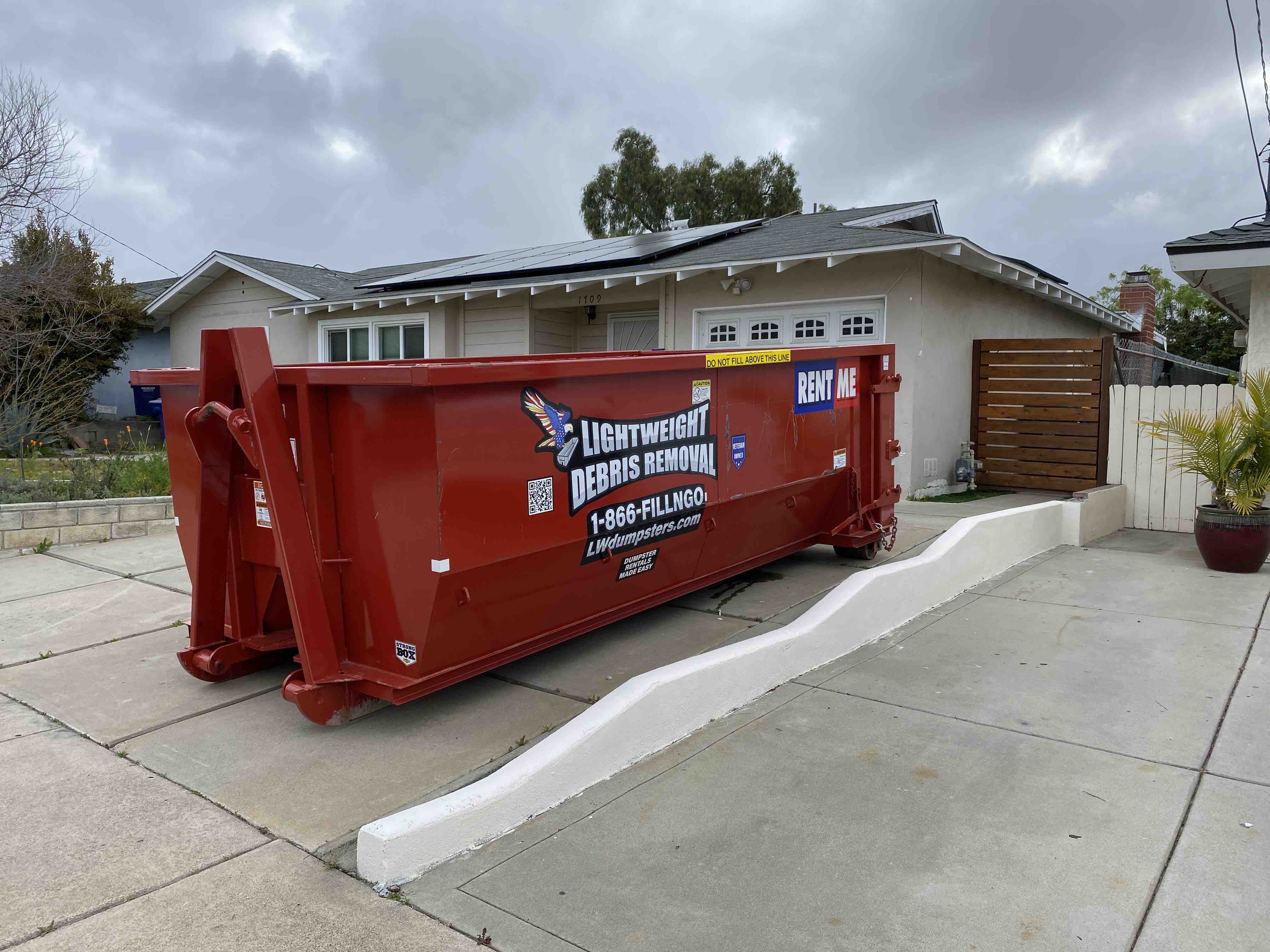
If you're managing a construction, renovation, or decluttering job, you might think dumpster loading is an easy step. But the way items are positioned affects how efficiently you use space, how safely you work, and how quickly you finish. Most people don’t realize how much strategy goes into correct dumpster loading, which can cause space loss, safety hazards, and unnecessary project delays.
At Lightweight Debris Removal, we highlight that the way you load a dumpster matters as much as picking the right size. Taking an organized approach maximizes container use while ensuring a secure and efficient workspace. Our mission is to guide clients in getting maximum value from their dumpster rental through understanding correct loading methods that minimize clutter, avoid damage, and speed up cleanup.
Planning Before You Start Loading
Before placing any waste into the dumpster, proper preparation is key. check here Identify what materials you’ll dispose of and check if any can be recycled, reused, or need special handling. Sorting ahead of time promotes a smooth workflow and limits the need for reorganization later. Separating risky materials improves safety and prevents potential accidents.
Strategizing the loading sequence is equally vital. Start by positioning large, heavy pieces at the bottom for balance. Afterward, lighter materials can be layered on top to fill in spaces. A well-thought-out plan helps avoid imbalance and instability once hauling begins. This approach improves both safety and efficiency throughout the job.
Using Space Efficiently
Proper space utilization can make a major difference in how much waste fits. Disassemble big items—like cabinets or couches—before loading them. Flattening boxes, removing doors, and taking apart parts allows more capacity and prevents wasted space. This lets you load more effectively and maintain even weight distribution.
You can also use a layering technique for smarter space allocation. Lay heavy, flat items first to form a strong base. Continue with smaller, lighter waste to fill the cracks and corners. Do not overfill or stack above the container rim to prevent hazards. Proper layering not only optimizes space but also enhances organization and safety.
Ensuring Safety While Loading a Dumpster
Safety should be at the forefront during every loading task. Always wear gloves, closed-toe shoes, and suitable protective clothing. Check the surrounding space for any obstructions or items that may cause falls. Maintaining situational awareness prevents accidents and improves teamwork.
Do not hurl or drop debris from afar into the container, because this might lead to unstable loads or dented surfaces. Handle items with care and arrange them thoughtfully. For heavy items, always lift with help to stay safe. Prioritizing safety not only protects workers but keeps operations steady and efficient.
Sorting and Organizing Materials
Keeping materials sorted throughout the loading process is essential for maintaining efficiency. Group similar items like metal, wood, or household waste together. This method improves the workflow and eases both the loading and dumping process. You’ll also easily spot recyclable materials, reducing waste and encouraging sustainable habits.
Keeping materials organized reduces the need to rearrange items once they’re inside. Put crushable or soft items like cardboard near the top, keeping sturdier ones underneath. This method prevents wind from scattering light materials and keeps the dumpster balanced. Consistent organization results in a faster, safer, and more productive cleanup process overall.
Protecting Your Property During Dumpster Use
Though dumpsters are designed for strength, the ground beneath them may not be. Use wooden beams or other protectors beneath to reduce stress on driveways and pavements. This easy precaution helps maintain the integrity of your property during the project.
Placement also plays a crucial role in preventing property damage. Pick a steady surface that provides safe loading and unobstructed access. Avoid positioning the dumpster too close to structures or landscaping features that could be damaged. Proper planning and setup promote a damage-free and stress-free project environment.
Boosting Productivity on Large-Scale Cleanups
Big projects tend to generate constant debris that needs proper management. Prepare a sorting zone to prearrange waste and make the loading phase smoother. It promotes even weight distribution and reduces inefficiencies mid-project.
Encouraging teamwork and good communication boosts workflow efficiency. Assign crew members to specific duties such as sorting, lifting, or compacting debris. When everyone knows their tasks, the process runs faster and stays organized. Planning and cooperation are vital for completing big projects without unnecessary setbacks.
What You Should Avoid Loading Into a Dumpster
Certain items aren’t permitted in regular dumpsters, making awareness essential. Materials like paints, batteries, and chemicals require special disposal methods. Dumping restricted materials risks pollution and additional disposal problems. Always confirm what’s allowed before starting to load your dumpster.
Do not overfill or overload the dumpster to maintain safety. An overfilled dumpster can create handling issues and pose transport hazards. By following proper load limits, you support responsible waste management. Awareness of limits helps avoid issues during collection and hauling.
Working with a Trusted Dumpster Service
Having a reliable dumpster rental company by your side streamlines the job significantly. Lightweight Debris Removal takes pride in providing professional dumpster rentals for residential and commercial use. Our team assists from delivery through pickup, offering consistent, timely, and hassle-free support.
Selecting a customer-focused company enhances your rental experience. Prompt support, transparency, and reliability help maintain project flow. Lightweight Debris Removal remains committed to supporting customers in achieving clean, safe, and efficient waste solutions.
Creating an Organized and Productive Worksite
The way you load your dumpster can significantly affect project performance. Keeping order at the site minimizes distractions and enhances coordination. With smart loading strategies, cleanup becomes an effortless part of the workflow.
Lightweight Debris Removal reminds customers that dumpster loading is about more than getting rid of waste. It provides an opportunity to improve safety, efficiency, and environmental care. By planning ahead and working smartly, you can make waste removal a seamless part of every project.